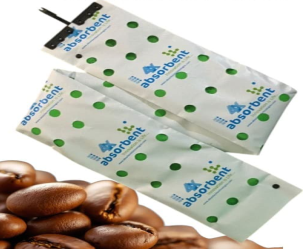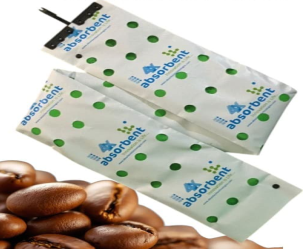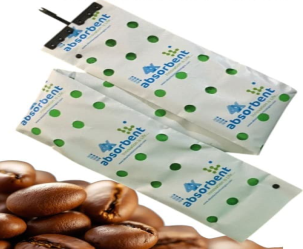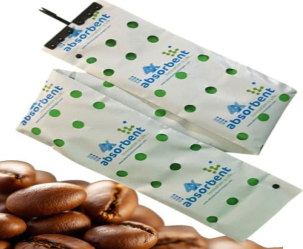
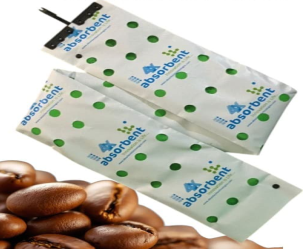
Cargo container desiccants are specialist moisture-absorbing solutions that protect commodities during travel and storage within shipping containers. When cargo is transported over long distances, particularly by sea, it is subjected to changing temperatures and humidity levels. These fluctuations can generate condensation, often known as container rain, which can harm items, packaging, and materials.
Cargo container desiccants are usually available in different formats, including hanging bags, strip bags, or pouch types, which can be easily placed or suspended inside the container. Their effectiveness depends on factors such as container size, cargo type, transit duration, and environmental conditions.
Size of Cargo Container Desiccant:
Cargo container desiccants are available in a variety of sizes to suit different container capacities, cargo types, and moisture protection requirements. The size selection plays a crucial role in ensuring effective humidity control during transit.
Small Pouches (10g – 100g):
These compact desiccant units are typically used for small packages, cartons, or individual product protection. They are suitable for electronics, garments, leather goods, and pharmaceuticals packed inside larger containers.
Medium Bags (250g – 1kg):
Medium-sized desiccants are commonly used for palletized goods or grouped packaging. They provide moderate moisture absorption and are often placed inside cartons or attached to inner container walls.
Large Container Desiccant Bags (1kg – 2kg):
These are the most widely used sizes for full container loads. They are designed to handle high humidity levels and long shipping durations. Usually, they are hung on container side walls using hooks or straps for maximum efficiency.
General Usage Guidelines:
A 20-foot container typically requires around 6–8 kg of desiccant.
A 40-foot container may require 12–16 kg depending on humidity conditions and cargo sensitivity.
The number and size should be selected based on transit time, climate, and packaging type.