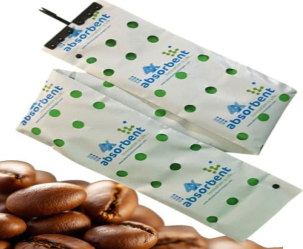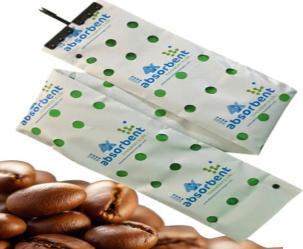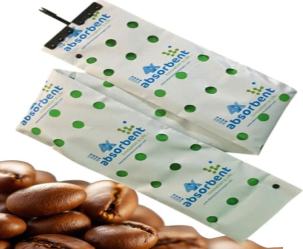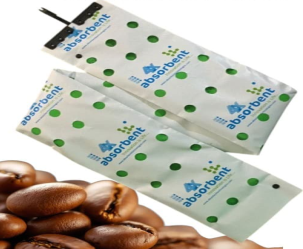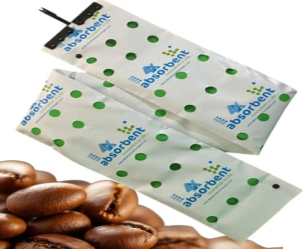
A cargo container desiccant is a moisture-absorbing device that is specifically developed to regulate humidity levels inside shipping containers during transit and storage. It is critical for preventing damage from humidity, mold, mildew, corrosion, and cargo sweating.
These desiccants are often made of moisture-absorbing materials such as calcium chloride, silica gel, or clay. They are available in a variety of formats, including bags, strips, and hanging units, making them simple to put within containers.
Absorption Capacity of Cargo Container Desiccant:
The absorption capacity of a Cargo Container Desiccant is the quantity of moisture that it can absorb and retain during transportation or storage. This capacity is crucial in assessing its ability to protect goods from humidity damage.
Typical Absorption Capacity:
Calcium Chloride-Based Desiccants:
Can absorb up to 200%–300% of their own weight in moisture, making them highly effective for long shipments.
Silica Gel Desiccants:
Absorb around 25%–40% of their weight, suitable for moderate humidity control.
Clay Desiccants:
Typically absorb 20%–30% of their weight, ideal for short-term or low-humidity applications.